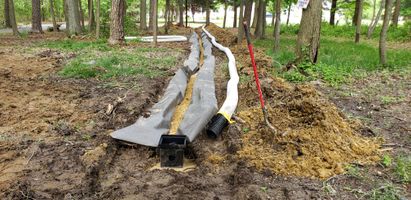
French Drain DIY Installation
Solve standing water, protect your foundation, and improve drainage with a properly installed French drain.
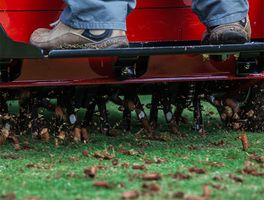
A thick, healthy lawn doesn’t happen by accident. Over time, soil becomes compacted, grass thins out, bare areas develop, and weeds begin taking advantage of the open space. Core aeration and overseeding are two of the most effective ways to rejuvenate an existing lawn without starting over.
For lawns on Maryland’s Eastern Shore, late summer through early fall is one of the best times to aerate and overseed. The soil is still warm enough for strong seed germination, while cooler air temperatures create better growing conditions for new grass.
What Is Core Aeration?
Core aeration is the process of removing small plugs, or “cores,” of soil throughout the lawn. These openings help relieve soil compaction and allow water, oxygen, and nutrients to reach the root zone more effectively.
Compacted soil can make it difficult for turf roots to grow deeply and absorb what they need. This is especially common in lawns with heavy foot traffic, equipment traffic, pets, clay-heavy soils, or regular mowing.
Benefits of Aerating Your Lawn
Core aeration can help:
-Reduce soil compaction
-Improve water penetration
-Increase oxygen movement into the soil
-Help fertilizer and nutrients reach the roots
-Encourage deeper, stronger root growth
-Reduce excessive thatch buildup
-Improve overall turf health
-Create better conditions for grass seed to establish
-Aeration is particularly valuable when it is paired with overseeding.
What Is Overseeding?
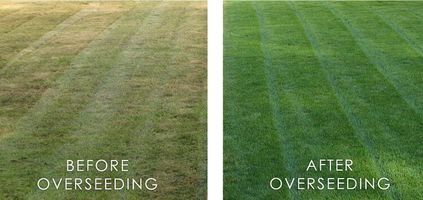
Overseeding is the process of spreading new grass seed over an existing lawn to introduce new growth without removing the established turf.
Lawns naturally thin over time because of summer heat, drought, disease, insects, foot traffic, pets, and everyday wear. Overseeding helps replenish those areas with fresh grass.
Benefits of Overseeding
Overseeding can:
-Fill in thin and bare areas
-Create a thicker, fuller lawn
-Improve the lawn's overall appearance
-Introduce newer, stronger grass varieties
-Improve turf density
-Help the lawn recover from summer stress
-Reduce opportunities for weeds to establish
A dense lawn is also one of your best natural defenses against weeds. The more healthy grass occupying the soil, the less open space there is for weeds to take over.
Why Aeration and Overseeding Work Better Together
You can overseed without aerating, but combining the two generally creates much better conditions for new grass.
One of the biggest challenges when overseeding an existing lawn is getting the seed into contact with the soil. If seed simply sits on top of thick grass or thatch, germination can be inconsistent.
Aeration creates thousands of openings throughout the lawn, improving seed-to-soil contact and giving new seedlings access to moisture and nutrients.
Think of aeration as preparing the lawn and overseedng as rebuilding it.
When Is the Best Time to Aerate and Overseed?
For cool-season lawns common throughout Maryland and the Mid-Atlantic, late August through September is generally the ideal window, with timing varying slightly depending on weather conditions.
This period provides a combination of:
-Warm soil for faster seed germination
-Cooler daytime and nighttime temperatures
-Reduced summer heat stress
-More favorable moisture conditions
-Several weeks of growing time before winter
Waiting too late into the fall can make it harder for new grass to become established before cold temperatures slow growth. That’s why it’s a good idea to schedule aeration and overseeding before the prime fall window fills up.
What Should You Do After Overseeding?
The first few weeks after seeding are critical.
Watering: New grass seed needs consistent moisture to germinate. The goal is to keep the upper layer of soil damp without flooding or creating standing water. This often means lighter, more frequent watering during the initial germination period. As the new grass establishes, watering can gradually transition toward deeper, less frequent irrigation.
Mowing: Avoid mowing newly seeded areas too soon. Allow the new grass to become established and reach an appropriate mowing height before cutting it.
*When mowing resumes, use a sharp blade and avoid removing more than roughly one-third of the grass blade at a time.
Keep Traffic to a Minimum: Try to reduce unnecessary foot traffic, pets, and equipment on newly seeded areas while the young grass is becoming established.
Fill out this form to receive a free estimate for aeration and overseeding!
We look forward to working with you.
-The Team at Gibson Grounds
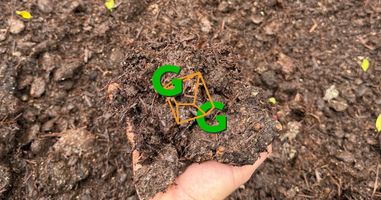
In this guide, we’ll break down what mushroom compost is, its benefits, the best ways to use it, recommended application amounts, and which projects benefit the most from adding compost to your soil. If you are looking to improve your soil naturally while boosting plant growth, moisture retention, and overall landscape health, mushroom compost is one of the best materials you can add to your property.