Open Mon-Fri 7:30AM-4:30PM - Same Day Delivery 

Check out our new Blog Section in the Tool Shed! 

Emily Powers | 20 days ago

Mushroom Compost: Benefits & Uses

In this guide, we’ll break down what mushroom compost is, its benefits, the best ways to use it, recommended application amounts, and which projects benefit the most from adding compost to your soil.

Mushroom Compost: Benefits, Uses, and Best Projects for Your Landscape

If you are looking to improve your soil naturally while boosting plant growth, moisture retention, and overall landscape health, mushroom compost is one of the best materials you can add to your property.
Commonly used in gardens, lawn projects, planting beds, and landscape installations, mushroom compost is a nutrient-rich soil amendment that helps create healthier growing conditions for plants, grass, flowers, and vegetables.
Whether you are installing a new lawn, building raised garden beds, or refreshing landscape beds around your home, mushroom compost can make a major difference in the quality of your soil and the success of your project.
Note: Fresh mushroom compost is not screened and may contain some debris mixed in. This is common with unscreened mushroom compost. If you are looking for a cleaner, screened material, shop Premium Leafgro Compost.

What Is Mushroom Compost?

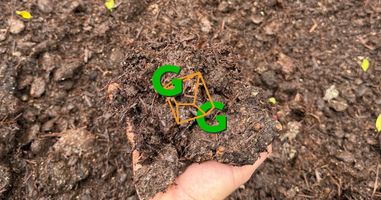
Mushroom compost, sometimes called fresh mushroom compost, is an organic compost material created from the growing medium used in mushroom farming. After mushrooms are harvested, the remaining composted material is recycled into a rich soil amendment packed with organic matter and nutrients.
Mushroom compost commonly contains:
  • Compost
  • Straw
  • Hay
  • Poultry litter or manure
  • Gypsum
  • Organic growing materials
The result is a dark, nutrient-rich compost that improves soil structure, drainage, moisture retention, and overall growing conditions.

Benefits of Mushroom Compost

Improves Soil Structure

Mushroom compost helps loosen compacted soils while improving aeration and root development. This creates healthier growing conditions for plants and lawns.

Adds Organic Matter

The organic material helps feed the soil naturally while improving long-term soil health and microbial activity.

Improves Moisture Retention

Compost helps soil hold moisture longer, which can reduce watering needs during hot and dry conditions.

Improves Drainage

While retaining moisture, mushroom compost also helps improve drainage in dense clay soils by increasing soil porosity.

Supports Plant Growth

The nutrient-rich composition helps promote stronger root systems, greener foliage, and healthier plant development.

Reduces Soil Erosion

Adding organic matter helps stabilize soil and improve resistance to runoff and erosion.

Best Projects for Mushroom Compost

1. Garden Beds

One of the most common uses for mushroom compost is in flower beds and vegetable gardens.
Great For:
  • Raised beds
  • Vegetable gardens
  • Flower gardens
  • Herb gardens
  • Pollinator gardens
Benefits:
  • Improves soil fertility
  • Encourages root growth
  • Helps retain moisture
  • Supports healthier blooms and vegetables
For best results, mix mushroom compost into existing soil before planting.

2. Lawn Installation & Lawn Repair

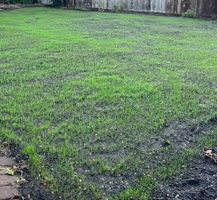
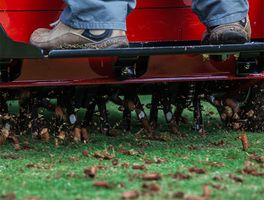
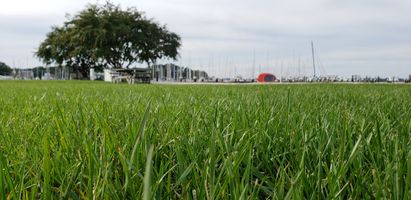
Mushroom compost is excellent for lawn projects because it improves soil quality beneath new seed or sod.
Common Lawn Applications:
  • New lawn installations
  • Sod preparation
  • Overseeding
  • Lawn leveling
  • Bare spot repair
Benefits:
  • Improves seed germination
  • Holds moisture around grass roots
  • Helps establish stronger turf
  • Improves soil drainage and structure
Many homeowners spread a thin layer of mushroom compost before seeding or sod installation.

3. Tree & Shrub Planting

Adding mushroom compost around trees and shrubs helps improve root development and soil health.
  • Improves moisture retention
  • Adds nutrients gradually
  • Encourages healthier root growth
  • Reduces plant stress during hot weather
Mix compost into planting holes or use it as a top dressing around landscape beds.

4. Raised Garden Beds

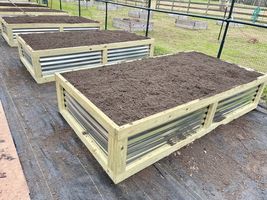
Raised beds benefit tremendously from mushroom compost because it helps create a nutrient-rich growing environment.
Recommended Uses:
  • Vegetable gardens
  • Cut flower gardens
  • Herb gardens
  • Raised planter boxes
Mushroom compost can be blended with topsoil, garden soil, or sand depending on the project.

5. Landscape Bed Refreshes

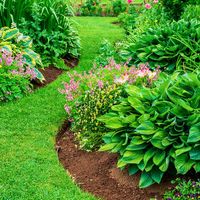
Refreshing old planting beds with mushroom compost helps rejuvenate tired soils and improve plant performance.
Common Uses:
  • Around shrubs and bushes
  • Perennial gardens
  • Foundation plantings
  • Mulch bed preparation
Adding compost before mulching helps improve overall soil health and moisture retention.

6. Soil Improvement Projects

Mushroom compost works well in areas with poor soil conditions.
  • Heavy clay soil
  • Poor drainage
  • Compacted ground
  • Low organic matter
  • Weak plant growth
It is commonly blended into soil during larger landscape renovations, grading projects, and planting bed improvements.

How Much Mushroom Compost Should You Use?

The amount of mushroom compost you need depends on the project type and how you plan to use it.
General Recommendations:
  • Gardens: 2–4 inches mixed into soil
  • Lawn prep: 1/4–1/2 inch topdressing
  • Raised beds: Blend 20–40% into soil mix
  • Tree & shrub beds: 1–2 inch layer around plants
Avoid using mushroom compost alone as 100% planting soil. It performs best when blended with topsoil, garden soil, or existing soil.

Mushroom Compost vs Topsoil

Mushroom Compost

  • Rich in nutrients
  • Improves soil quality
  • Better for planting and soil health
  • Higher organic matter

Topsoil

  • Better for grading and filling
  • Used for leveling lawns
  • Provides soil base structure
  • Lower nutrient content than compost
In many projects, the best result comes from blending mushroom compost with topsoil so you get both structure and organic matter.

Final Thoughts

Mushroom compost is one of the most useful soil amendments for gardens, lawns, raised beds, landscape beds, and planting projects. It helps improve soil structure, retain moisture, support root growth, and create better growing conditions.
If your soil is compacted, dry, low in organic matter, or struggling to support healthy plant growth, mushroom compost can be a smart addition to your project.
At Gibson Grounds, we help homeowners, gardeners, and contractors choose the right material for the job and get it delivered.
Need Help Choosing Soil or Compost?
Shop soil and compost products online or use our material calculator to estimate how much you need.
Shop Mushroom Compost Material Calculator

P.S. If your grass struggles, your garden looks tired, or your soil feels more like concrete than dirt… throwing seed and hoping for the best probably isn’t the move. 😂 Mushroom compost helps build healthier soil, stronger roots, and better growing conditions without overcomplicating things. Because fighting bad soil every season gets expensive and honestly, the plants deserve better.

Emily Powers

Contact Us

200 Wheels Rolling Farm Lane

Church Hill, MD, 21623

Mon–Fri: 7:30 AM — 4:30 PM

Sat: 8 AM — 12:00 PM


443-282-5912

sales@gibsongrounds.com