Wood Chips: What to Know Before You Buy
Wood chips are a practical, natural, and budget-friendly material for trails, playgrounds, landscape beds, erosion control, muddy areas, and large ground coverage projects.
Each option has a different texture, appearance, and best use. Here’s what to know before you buy.
Why Wood Chip Type Matters
Not all wood chips are the same. Some are rough and natural, while others are screened for a cleaner, more uniform look. Choosing the right type helps your project perform better, last longer, and look the way you want it to.
The right wood chip material can help:
- Cover large areas affordably
- Create natural walking paths and trails
- Reduce mud and improve ground conditions
- Help control erosion on slopes and bare soil
- Improve the appearance of playgrounds and landscape beds
- Break down naturally over time
Material Types
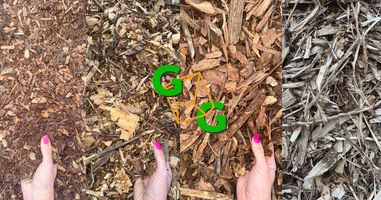
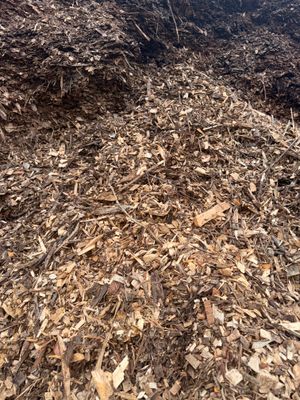
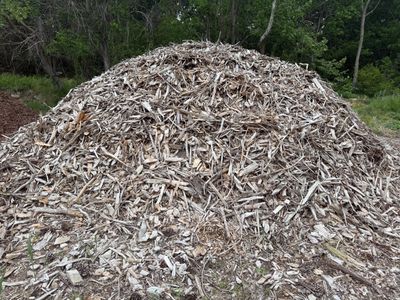
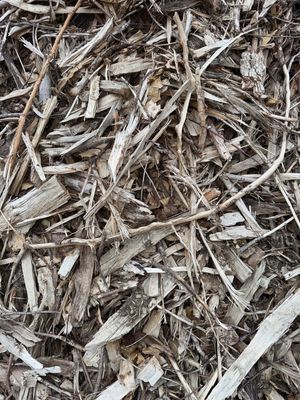
Unscreened wood chips are a rough, natural mix of chipped wood that may include larger pieces, sticks, bark, and fines. This is the most natural and budget-friendly wood chip option.
Best For: Trails, natural areas, erosion control, large coverage applications, wooded areas, and low-budget ground cover.
Texture: Rougher, more natural, and less uniform.
Appearance: Rustic and natural-looking.
Good to Know: This material breaks down naturally over time and is best for projects where function matters more than a polished finish.
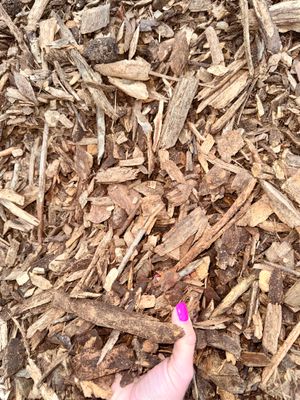
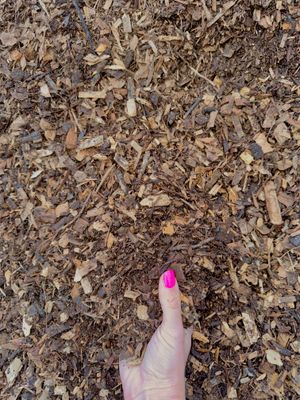
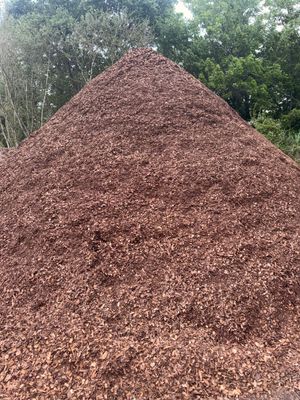
Single screened wood chips are processed through a screen to create a more consistent size and cleaner appearance than unscreened material.
Best For: Playgrounds, pathways, landscape beds, walking areas, and general-purpose ground cover.
Texture: More uniform, typically around 1–3 inches.
Appearance: Cleaner and more consistent than unscreened wood chips.
Good to Know: Single screened wood chips are easier to spread, easier to maintain, and provide better overall coverage for finished areas.
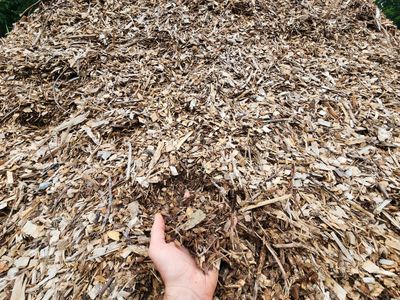
Double screened wood chips go through an extra screening process to remove oversized material and create a finer, softer, more refined texture.
Best For: Playgrounds, walking paths, finished landscape areas, garden paths, and decorative ground cover.
Texture: Finer and softer, typically around 1/2 inch to 1 inch.
Appearance: The cleanest and most refined wood chip option.
Good to Know: Double screened wood chips are comfortable underfoot and offer improved consistency for higher-visibility areas.
Construction wood chips and shavings are a fibrous shredded wood material designed to create a natural mat-like surface that helps hold in place better than loose chips.
Best For: Muddy areas, trails, slopes, temporary ground cover, access paths, and erosion control.
Texture: Shredded, fibrous, and mat-forming.
Appearance: Natural and functional rather than decorative.
Good to Know: This material helps reduce washout, hold moisture, and create temporary ground stabilization in rough or muddy areas.
Tips for Choosing the Right Wood Chips
Choose unscreened wood chips for large coverage:
If you need to cover trails, natural areas, or large sections of ground affordably,
unscreened wood chips
are usually the most budget-friendly option.
Choose single screened wood chips for cleaner general use:
Single screened wood chips
are a strong middle-ground choice for pathways, playgrounds, and landscape beds.
Choose double screened wood chips for a finished look:
If appearance and comfort matter most,
double screened fine wood chips
provide the cleanest and softest option.
Choose construction wood chips and shavings for problem areas:
For muddy areas, slopes, trails, or temporary access paths,
construction wood chips and shavings
help create a more stable natural surface.
Common Wood Chip Projects
1. Trails and Natural Walkways
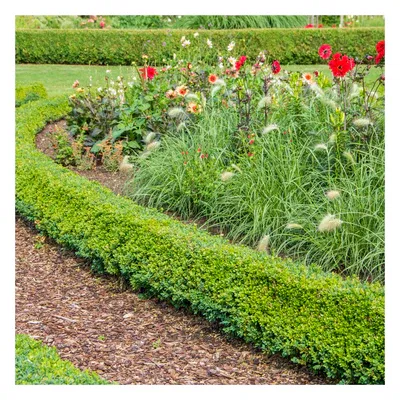
Wood chips are a great option for natural trails, wooded walkways, garden paths, and informal access paths. They help create a softer walking surface while blending into the landscape.
2. Playgrounds and Play Areas
Screened and double screened wood chips are popular for playgrounds because they are easier to spread and more comfortable underfoot than rougher materials.
3. Landscape Beds
Wood chips can be used as a natural ground cover in planting beds, around trees, and in low-maintenance landscape areas.
4. Erosion Control
Wood chips and shredded wood matting can help reduce runoff, slow washout, and protect bare soil on slopes or disturbed areas.
5. Muddy or High-Traffic Areas
Construction wood chips and shavings can help improve muddy areas, temporary access paths, and rough jobsite conditions by creating a natural surface layer.
Final Thoughts
Wood chips are one of the most versatile materials for outdoor projects. The best option depends on whether you need budget coverage, a cleaner appearance, a softer finished surface, or better stabilization in muddy or erosion-prone areas.
At Gibson Grounds, we help homeowners, contractors, and property owners choose the right wood chip material for the job and get it delivered.