Open Mon-Fri 7:30AM-4:30PM - Same Day Delivery 

Check out our new Blog Section in the Tool Shed! 

Emily Powers | 23 hours ago

French Drain DIY Installation

Solve standing water, protect your foundation, and improve drainage with a properly installed French drain.

What Is a French Drain?

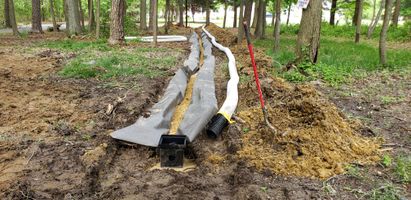
A French drain is a trench filled with gravel and perforated pipe that redirects water away from areas where it causes problems. It is one of the most effective drainage solutions for protecting foundations, reducing standing water, and improving soggy lawn conditions.

This project works well near homes, along low spots in the yard, around downspout discharge areas, and in places where water tends to collect after heavy rain.


Best Uses:

-Water pooling near foundations

-Low spots that stay wet

-Downspout runoff control

-Yard drainage improvements

Project Overview

Base Materials

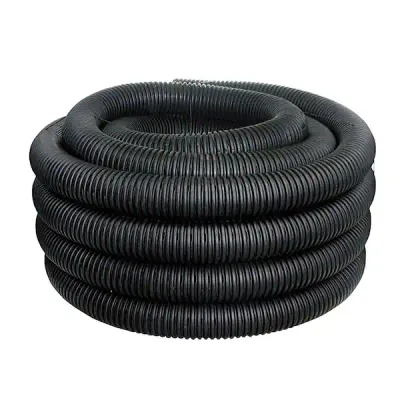
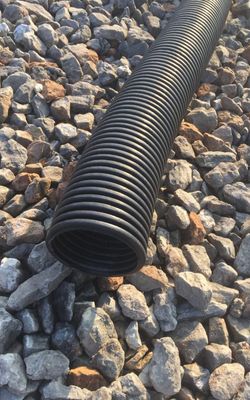
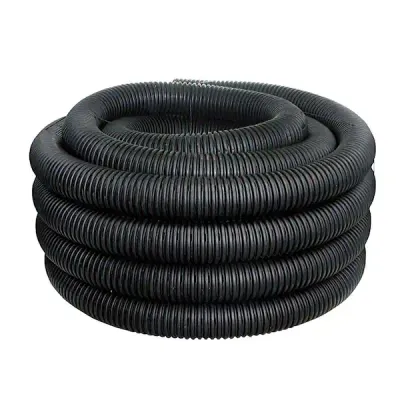
-Perforated drain pipe

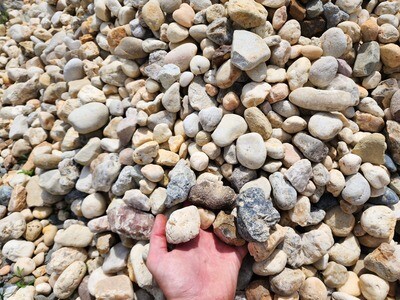
-Drainage gravel

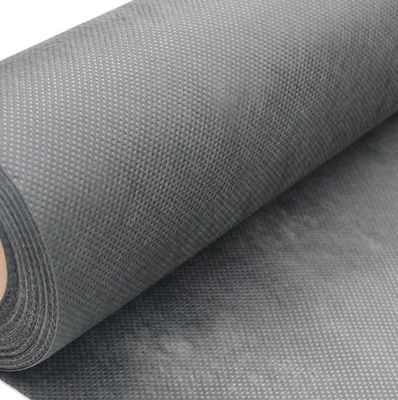
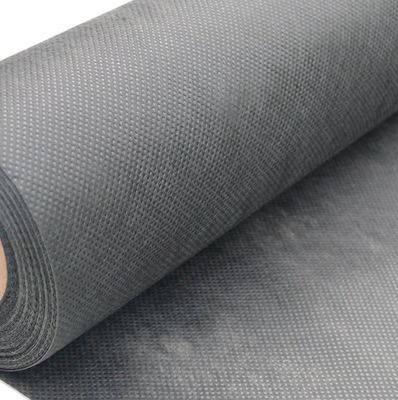
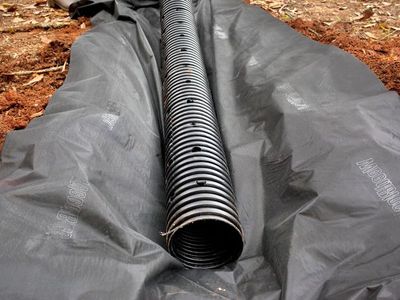
-Commercial-grade landscape fabric

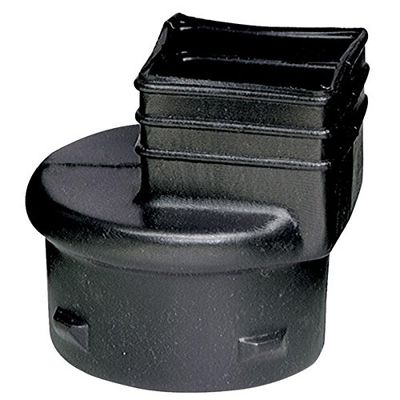
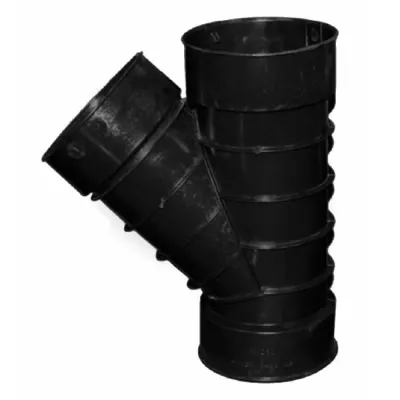
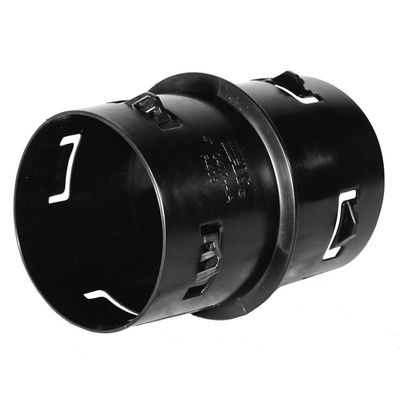
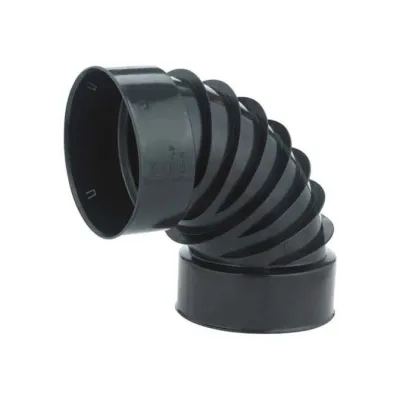
-Pipe fittings and connectors


Finish Materials

-Topsoil for final grading

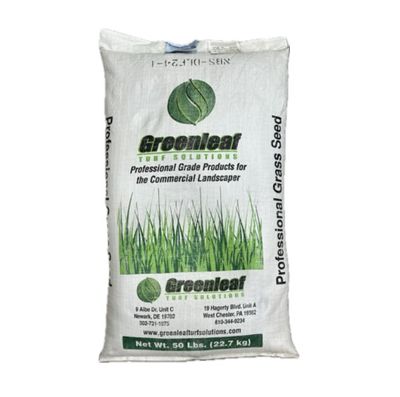
-Grass seed or sod if needed

-Pop-up emitter or drainage outlet

-Additional non-perforated pipe if required


Tools Recommended

• Shovel

• Spade or trenching shovel

• Wheelbarrow

• Rake

• String line or marking paint

• Tape measure

• Level

• Work gloves

Step-by-Step Installation

1. Plan the Drainage Route - Identify where water is collecting and determine the best route for the drain. The trench should slope away from your home so water moves properly through the system. A good rule is about 1 inch of fall for every 8 feet of run.


2. Gather Materials and Tools - Before digging, make sure you have all the necessary pipe, gravel, fabric, fittings, and tools ready. Having everything on site keeps the install moving and helps avoid mistakes once the trench is open.


3. Excavate the Trench - Dig a trench about 6 inches wide and roughly 18 to 24 inches deep along the planned route. Keep the bottom of the trench consistent and sloped away from the structure so water does not sit or back up.


4. Add the Gravel Base - Pour 2 to 3 inches of drainage gravel into the bottom of the trench. This base layer helps support the pipe, improves water movement, and creates a stable foundation for the drain system.


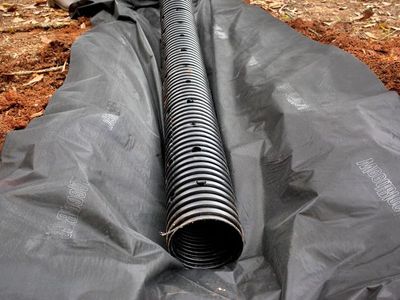
5. Lay the Perforated Pipe - Set the perforated drain pipe on top of the gravel with the holes facing down. Keep the pipe aligned with the slope of the trench so water enters efficiently and continues moving toward the outlet.


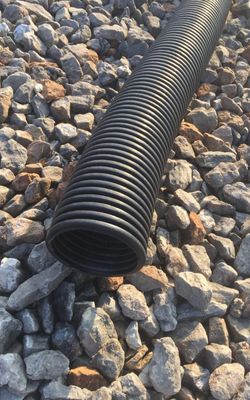
6. Cover the Pipe with Gravel - Add more gravel over the pipe until the trench is filled a few inches above it. This stone layer allows water to filter down into the pipe while keeping the system open and effective over time.


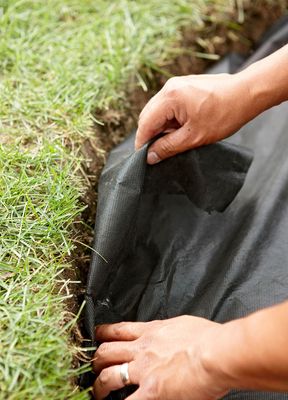
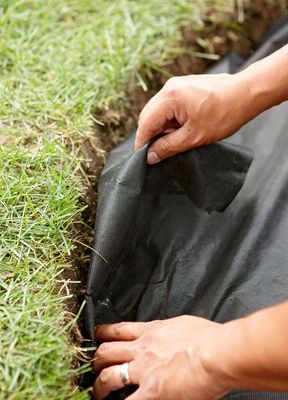
7. Install the Landscape Fabric - Lay landscape fabric over the gravel to help keep surrounding soil from working its way into the stone and clogging the drain. Fold the fabric edges neatly over the top for better coverage.


8. Backfill with Soil - Cover the landscape fabric with soil to restore the surface of the yard. You can use the excavated soil if it is suitable, or bring in clean fill as needed to create a smooth finished grade.


9. Create the Outlet - Direct the drain to a proper discharge point such as a pop-up emitter, dry well, or approved stormwater outlet. The system only works if the water has a safe place to exit.


10. Test the Drain - Run water through the system before calling the project complete. Check the flow, confirm the outlet is working properly, and make any small grade or gravel adjustments before finishing the area.

Whether you need one scoop or a full truckload, Gibson Ground Supply Store makes getting materials easy. We proudly serve homeowners, contractors, landscapers, and municipalities throughout:


Centreville, 21617

Church Hill, 21623

Chestertown, 21620

Easton, 21601

Grasonville, 21638

Queenstown, 21658

Stevensville, 21666

Chester, 21619

Queen Anne's County

Kent County

Talbot County


And surrounding Eastern Shore communities.

Emily Powers

More Posts

Mid-Summer Landscape ProjectsMid-Summer Landscape Projects
Mid-Summer Landscape Projects

Summer is in full swing on Maryland's Eastern Shore, making July the perfect time to refresh your landscape before the hottest part of the season. Whether you're tackling a weekend DIY project or hiring a professional, having the right materials makes all the difference. At Gibson Ground Supply Store, we stock everything you need to keep your property looking its best.

Summer Lawn CareSummer Lawn Care
Summer Lawn Care

Many homeowners assume that brown patches, weeds, or thinning grass are just part of the season. However, these issues are often signs that your lawn needs attention before the damage becomes more extensive and expensive to correct.

Gravel vs Crusher RunGravel vs Crusher Run
Gravel vs Crusher Run

Trying to choose between gravel and crusher run? Gibson Grounds breaks down the differences, best uses, and costs so you can pick the right material for your driveway, base, or landscaping project.

Mushroom Compost: Benefits & UsesMushroom Compost: Benefits & Uses
Mushroom Compost: Benefits & Uses

In this guide, we’ll break down what mushroom compost is, its benefits, the best ways to use it, recommended application amounts, and which projects benefit the most from adding compost to your soil. If you are looking to improve your soil naturally while boosting plant growth, moisture retention, and overall landscape health, mushroom compost is one of the best materials you can add to your property.

Wood Chips: How to Choose the Right Type for Your ProjectWood Chips: How to Choose the Right Type for Your Project
Wood Chips: How to Choose the Right Type for Your Project

At Gibson Grounds, we provide multiple wood chip options for homeowners, contractors, farms, playgrounds, and commercial properties looking for dependable bulk ground cover materials.

River Rock Buyers GuideRiver Rock Buyers Guide
River Rock Buyers Guide

Not sure which river rock size to choose? Compare Gibson Grounds 3/4", 1–5", 5–8", 8–12", and 12–24" river rock for drainage, landscape beds, dry creek beds, erosion control, and decorative projects.