1. Water Deeply, Not Daily:
Many homeowners make the mistake of watering too often. Shallow, frequent watering encourages weak root systems.
Lawns perform best when they receive approximately 1 to 1½ inches of water per week, including rainfall. Instead of watering a little every day, water deeply 2–3 times per week to encourage deeper root growth and improve drought tolerance.
Best time to water:
Early morning between 5:00 AM and 9:00 AM.
2. Raise Your Mowing Height:
Cutting your lawn too short can place unnecessary stress on the grass.
During summer, taller grass:
• Shades the soil and helps retain moisture
• Reduces weed germination
• Promotes deeper root growth
• Improves overall turf density
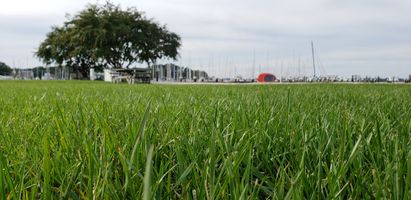
For most Eastern Shore lawns containing tall fescue, we recommend maintaining a mowing height of 3½–4 inches.
3. Leave Grass Clippings Behind:
Grass clippings return valuable nutrients back into the soil and can help improve lawn health throughout the growing season.
4. Keep an Eye Out for Lawn Pests:
Summer is prime time for insects that can damage your turf. Early intervention can prevent extensive damage. Signs to watch for include:
• Brown patches that continue to expand
• Areas that peel up easily like a carpet
• Increased bird activity digging in the lawn
• Wilting despite adequate watering
5. Control Weeds Before They Take Over:
Weeds compete with your grass for sunlight, water, and nutrients. When lawns become stressed, weeds often seize the opportunity to spread quickly.
Consistent weed management throughout the growing season helps maintain a thicker, healthier lawn that naturally crowds out unwanted growth.
6. Feed Your Lawn Properly:
Proper nutrition plays a major role in turf health. Applying the right products at the right time strengthens root systems, improves color, enhances disease resistance, and helps your lawn recover more quickly from environmental stress.
Unfortunately, many store-bought products are applied incorrectly or at the wrong times of year, often doing more harm than good.