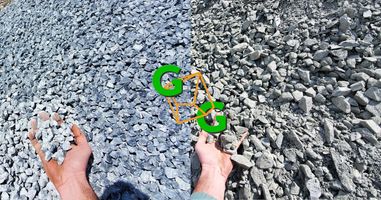
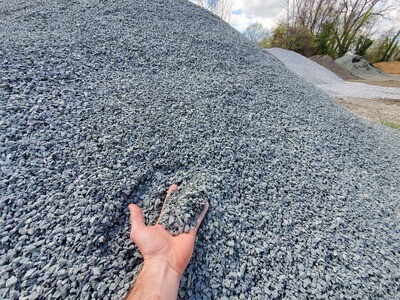
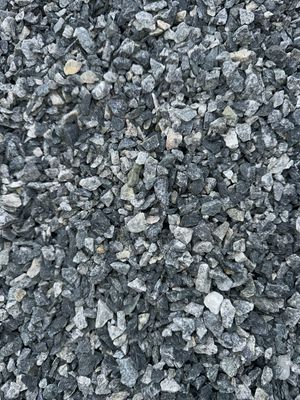
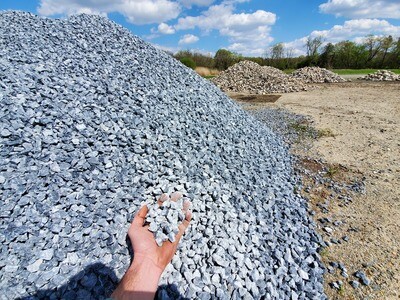
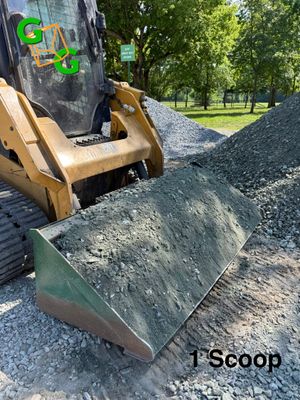
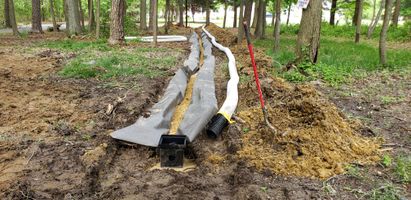
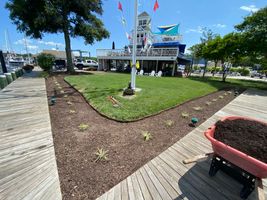
Summer is in full swing on Maryland's Eastern Shore, making July the perfect time to refresh your landscape before the hottest part of the season. Whether you're tackling a weekend DIY project or hiring a professional, having the right materials makes all the difference. At Gibson Ground Supply Store, we stock everything you need to keep your property looking its best.
Gravel vs Crusher Run
Trying to choose between gravel and crusher run? Gibson Grounds breaks down the differences, best uses, and costs so you can pick the right material for your driveway, base, or landscaping project.
Gravel vs Crusher Run: What to Use
Choosing between gravel and crusher run depends on your project, traffic level, drainage needs, and the finish you want.
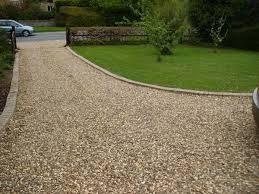
Whether you're building a driveway, creating a walkway, installing a shed pad, or preparing a base for pavers, the right material makes a big difference.
Here’s a practical guide to help you choose the right material for driveways, walkways, drainage projects, parking areas, and outdoor foundations.
Why Material Choice Matters
Gravel and crusher run may look similar at first, but they perform very differently once installed. Choosing the wrong material can lead to shifting, poor drainage, rutting, or a base that does not hold up over time.
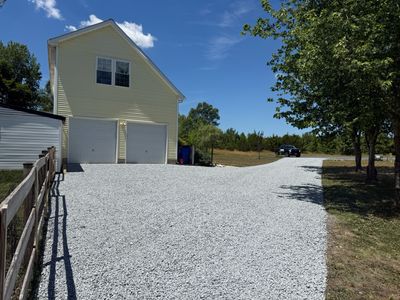
Use crusher run for a strong base: If the area needs to support vehicles, sheds, trailers, or pavers, crusher run is usually the better choice.
Use gravel for drainage: Materials like #57 stone, #8 stone, and pea gravel help water move more easily.
Think about the finish: Gravel typically gives a cleaner decorative appearance while crusher run focuses more on strength and function.
Match the material to traffic: Heavy-use areas benefit from compactable material while decorative and low-traffic areas often work better with gravel.
Material Types
Best For: Driveways, parking pads, shed bases, paver bases, and compacted foundations.
Compaction: Packs tightly because it contains both crushed stone and fines.
Drainage: Drains less freely than clean gravel because smaller particles fill gaps.
Finish: Creates a strong, stable surface once compacted.
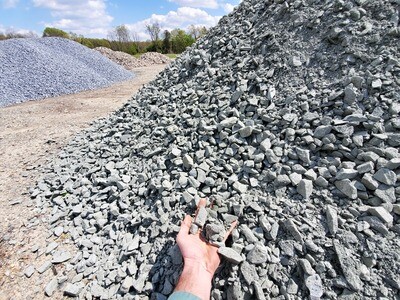
Best For: Drainage, driveways, French drains, and general stone projects.
Compaction: Does not compact as tightly as crusher run.
Drainage: Allows water to move more freely.
Finish: Clean gray/blue appearance for functional and decorative areas.
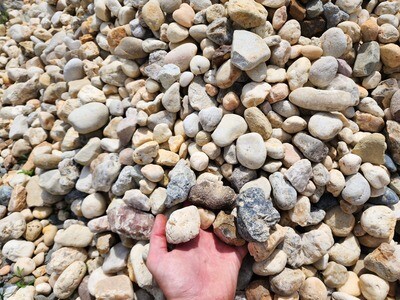
Best For: Driveways, drainage areas, landscape beds, and general ground cover.
Compaction: Remains looser than crusher run.
Drainage: Good drainage due to spacing between stones.
Finish: Natural and rustic appearance.
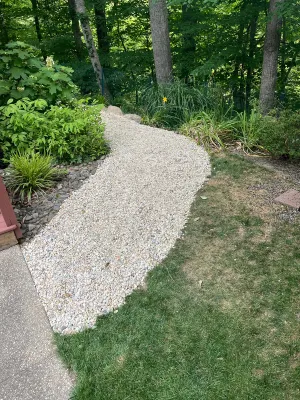
Best For: Walkways, decorative areas, drainage applications, and concrete mixes.
Compaction: Stays looser than crusher run but settles nicely over time.
Drainage: Excellent drainage because it is a washed stone.
Finish: Cleaner, more refined decorative appearance.
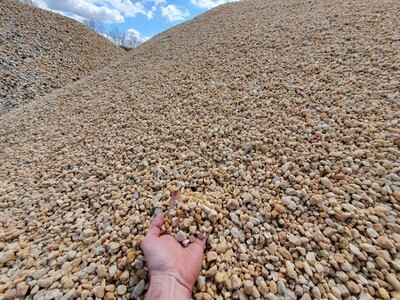
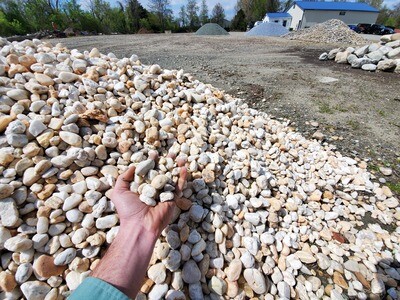
5. Pea Gravel
Best For: Walkways, decorative beds, playgrounds, and lighter-use spaces.
Compaction: Does not lock together tightly.
Drainage: Drains very well but shifts more under heavy traffic.
Finish: Smooth, decorative appearance.

More Posts


In this guide, we’ll break down what mushroom compost is, its benefits, the best ways to use it, recommended application amounts, and which projects benefit the most from adding compost to your soil. If you are looking to improve your soil naturally while boosting plant growth, moisture retention, and overall landscape health, mushroom compost is one of the best materials you can add to your property.