1. Plan the Drainage Route - Identify where water is collecting and determine the best route for the drain. The trench should slope away from your home so water moves properly through the system. A good rule is about 1 inch of fall for every 8 feet of run.
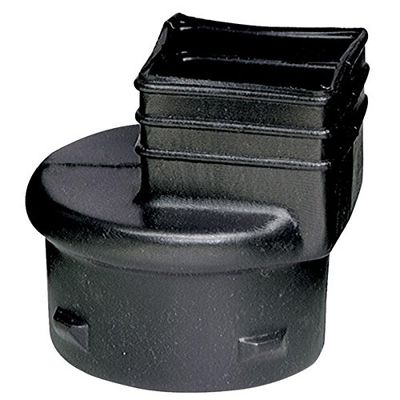
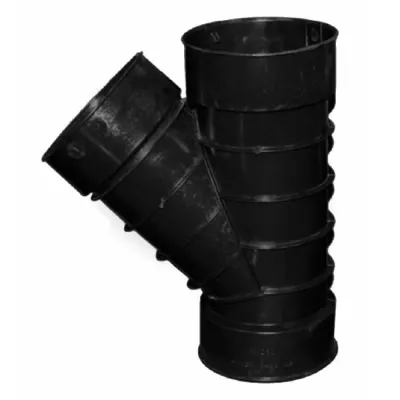
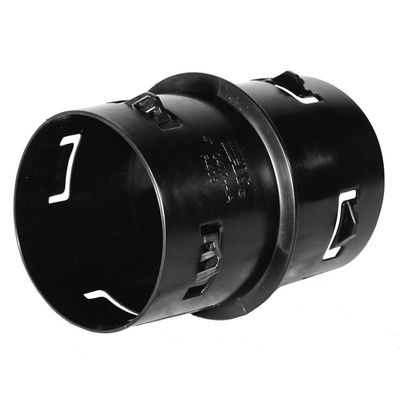
2. Gather Materials and Tools - Before digging, make sure you have all the necessary pipe, gravel, fabric, fittings, and tools ready. Having everything on site keeps the install moving and helps avoid mistakes once the trench is open.
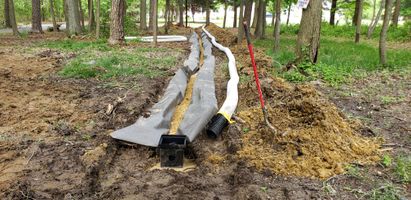
3. Excavate the Trench - Dig a trench about 6 inches wide and roughly 18 to 24 inches deep along the planned route. Keep the bottom of the trench consistent and sloped away from the structure so water does not sit or back up.
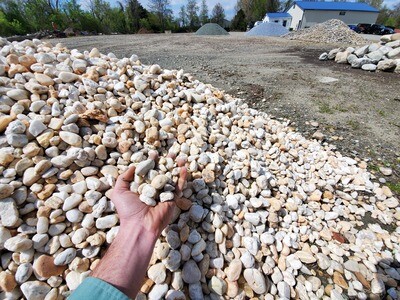
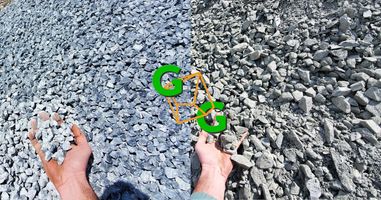
4. Add the Gravel Base - Pour 2 to 3 inches of drainage gravel into the bottom of the trench. This base layer helps support the pipe, improves water movement, and creates a stable foundation for the drain system.
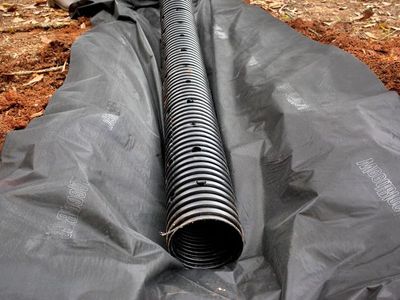
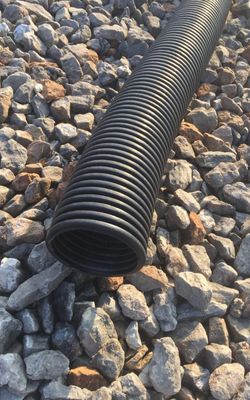
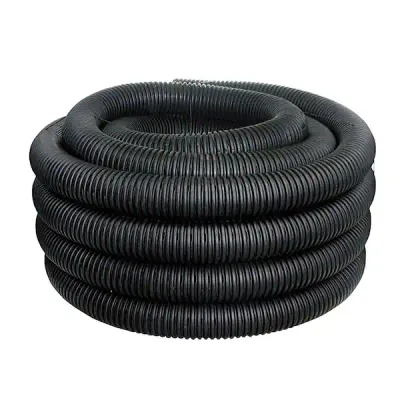
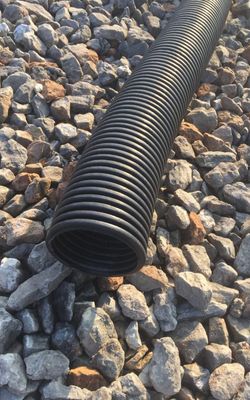
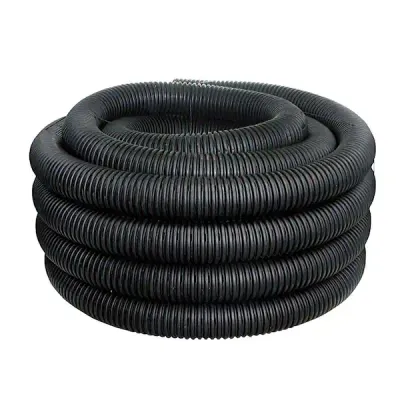
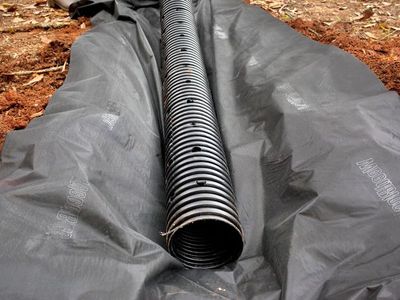
5. Lay the Perforated Pipe - Set the perforated drain pipe on top of the gravel with the holes facing down. Keep the pipe aligned with the slope of the trench so water enters efficiently and continues moving toward the outlet.
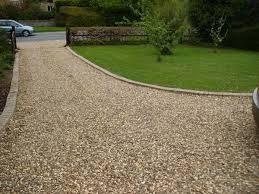
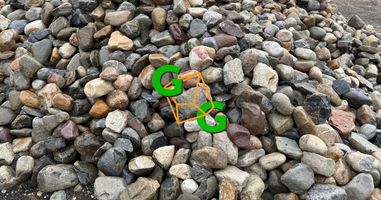
6. Cover the Pipe with Gravel - Add more gravel over the pipe until the trench is filled a few inches above it. This stone layer allows water to filter down into the pipe while keeping the system open and effective over time.
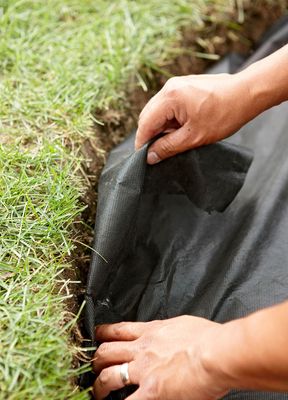
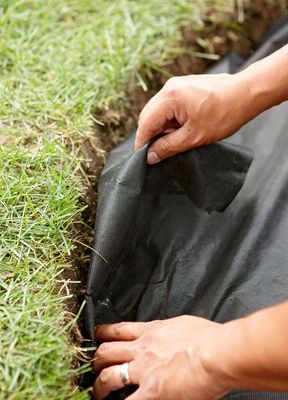
7. Install the Landscape Fabric - Lay landscape fabric over the gravel to help keep surrounding soil from working its way into the stone and clogging the drain. Fold the fabric edges neatly over the top for better coverage.
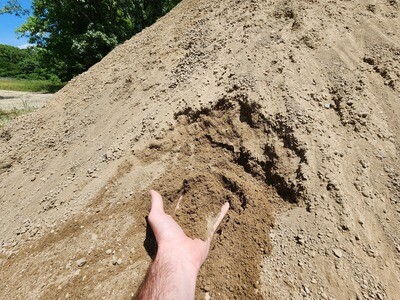
8. Backfill with Soil - Cover the landscape fabric with soil to restore the surface of the yard. You can use the excavated soil if it is suitable, or bring in clean fill as needed to create a smooth finished grade.
9. Create the Outlet - Direct the drain to a proper discharge point such as a pop-up emitter, dry well, or approved stormwater outlet. The system only works if the water has a safe place to exit.
10. Test the Drain - Run water through the system before calling the project complete. Check the flow, confirm the outlet is working properly, and make any small grade or gravel adjustments before finishing the area.