Dry River Rock Beds
Gibson Grounds Project Center
Dry River Rock Bed DIY Installation
Create a clean, low-maintenance landscape feature that improves drainage, controls erosion, and adds natural curb appeal. This DIY guide walks you through planning, materials, installation, and finishing details for a large dry river rock bed.
What Is a Dry River Rock Bed?
A dry river rock bed is a decorative drainage feature made with landscape fabric, larger stone, and shaped contours that mimic the look of a natural creek bed. It is often used to move water through a yard, solve soggy spots, reduce washout, or create a bold landscape focal point.
This project works especially well along downspout outlets, backyard drainage paths, property edges, low areas, and wide bed spaces where you want a polished look without constant upkeep.
Best Uses
- Drainage from downspouts
- Low spots that stay wet
- Erosion-prone slopes or channels
- Decorative landscape focal points
Project Overview
Difficulty
Moderate
Time
1–2 days for most residential installs
Best For
Homeowners and contractors
Main Goal
Drainage + low-maintenance curb appeal
Base Materials
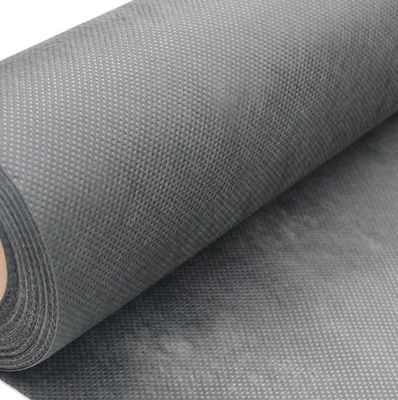
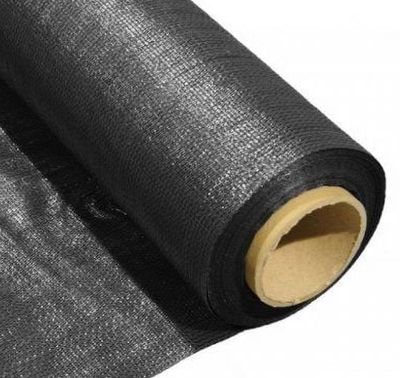
- Commercial-grade landscape fabric
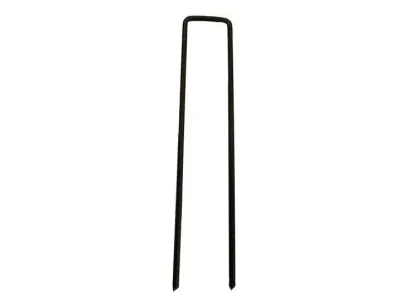
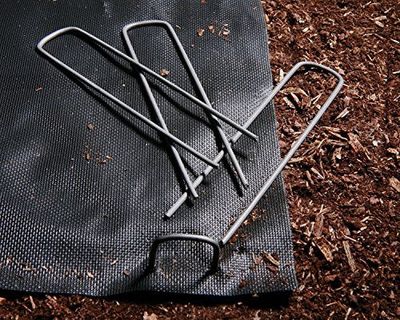
- Landscape staples or fabric pins
- Crusher run or base stone for unstable areas if needed
- Drain pipe if moving water from a downspout or outlet
Finish Materials
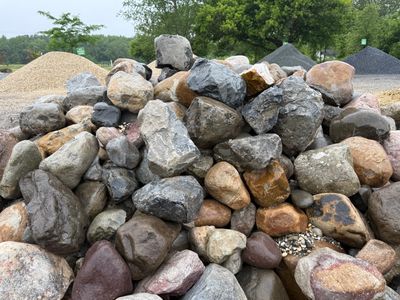
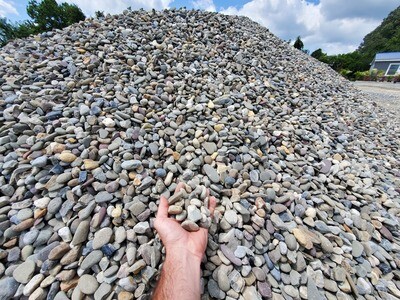
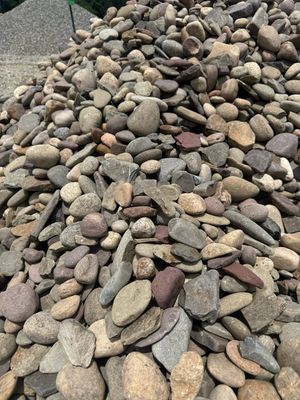
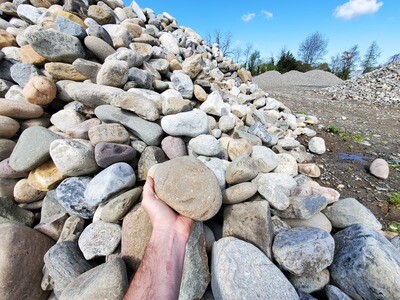
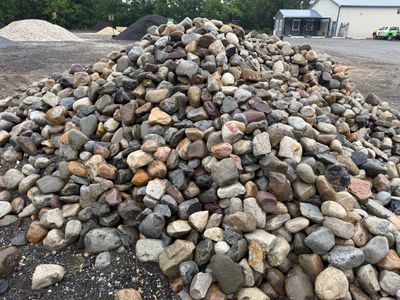
- Large river rock or decorative drainage stone
- Accent boulders or larger edge stone
- Topsoil for shaping surrounding edges
- Mulch and plants for finished borders if desired
Tools Recommended
• Shovel
• Spade or flat shovel for edge cutting
• Wheelbarrow or loader
• Rake
• String line or marking paint
• Tape measure
• Hand tamper if base is needed
• Work gloves
Step-by-Step Installation
1. Plan the Shape and Flow
Mark the bed with marking paint or a hose to create a natural flowing shape. Wider curves and varying widths make it look more realistic. If this bed is for drainage, make sure water has a clear path from the problem area to a lower outlet point.
2. Measure the Area
Measure the length and average width of the bed to estimate fabric and stone. For larger installs, break the shape into smaller sections so you can calculate materials more accurately and avoid under-ordering.
3. Excavate the Bed
Remove grass, weeds, mulch, and loose debris. Dig the bed deep enough to hold the stone while still sitting nicely below the surrounding grade. A shallow decorative bed may only need a few inches, while drainage-focused areas may require deeper excavation.
4. Create the Contours
Shape the center of the bed slightly lower than the edges so the finished installation has a natural channel look. If the bed is used for runoff, keep a consistent slope so water moves instead of pooling.
5. Install Drain Pipe if Needed
If your project needs to carry water from a downspout or another drainage source, install the proper pipe before laying fabric and stone. Test the route first so you know the water exits where you want it.
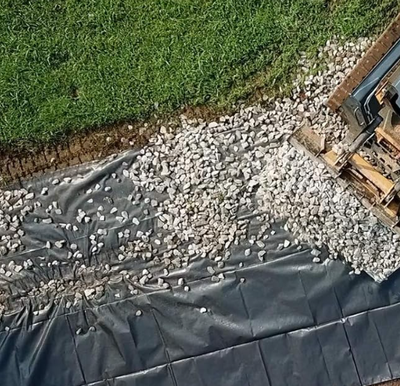
6. Lay Landscape Fabric
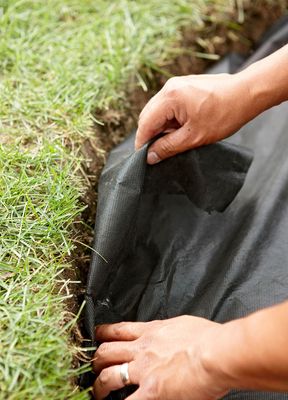
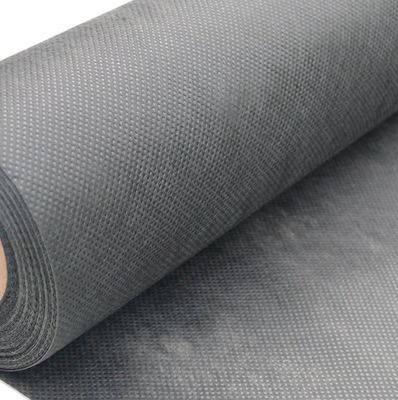
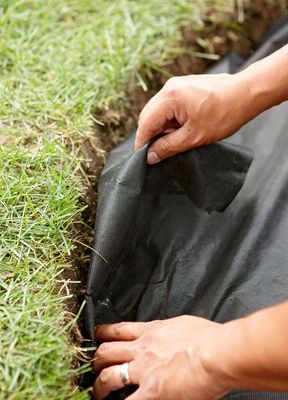
Roll out commercial-grade fabric across the entire excavated area. Overlap seams well and secure it with staples so the fabric stays tight and does not shift while you place stone.
7. Place the Larger Accent Stone
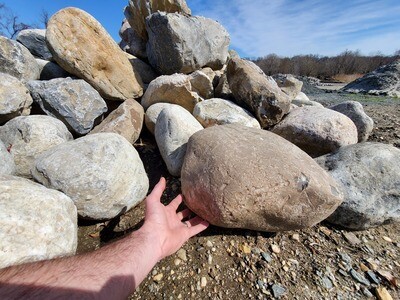
Set your biggest rocks or boulders first. Place them along the curves and edges in a natural pattern so the bed looks established and balanced before you add the field stone.
8. Install the River Rock
Spread the large river rock evenly through the bed. Keep the center slightly fuller for a natural creek-bed effect, and check coverage from different angles as you go.
9. Blend the Edges
Use topsoil to soften the transitions from the rock bed to the surrounding lawn or landscape beds. Add mulch, plants, or ornamental grasses along the sides if you want a more finished look.
10. Test and Touch Up
If this bed is meant for drainage, run water through it and confirm the flow works properly. Adjust stone, grade, or outlet points as needed. Then do a final rake and cleanup.
Pro Tips for a Better Finish
- Use wider curves instead of straight lines for a more natural appearance.
- Mix rock sizes carefully so the bed looks layered, not flat.
- Install the largest accent pieces first to avoid redoing the layout later.
- Always test water flow before calling the project finished if the bed has a drainage purpose.
- Keep fabric hidden beneath the stone so the install looks cleaner and more professional.
Common Mistakes to Avoid
- Making the bed too shallow so the rock spills out or sits above grade.
- Skipping landscape fabric and ending up with weed growth through the stone.
- Using a flat layout with no contour, which makes the bed look unnatural.
- Failing to plan the outlet path for water on drainage-focused installations.
- Ordering too little stone and ending up with thin coverage.
Ready to Build Your Dry River Rock Bed?
Gibson Grounds Supply has the stone, fabric, soil, and project materials you need to create a drainage-friendly landscape feature that looks clean and lasts.
Shop Materials View ServicesRecommended Products
Everything you need to complete this project — available at Gibson Grounds Supply.

Impulsada por Lightspeed
Mostrar precios en:USD