Downspout Drainage
Gibson Grounds Project Center
Downspout Drainage Installation Guide
Move roof runoff away from your home, reduce pooling, and protect your foundation with a properly installed downspout drainage system.
What Is Downspout Drainage?
Downspout drainage is a system that collects water from your gutters and moves it away from your home through buried pipe and proper outlet points. It helps prevent foundation issues, soggy lawn areas, mulch washout, and erosion caused by roof runoff dumping too close to the house.
This project works well for homes where gutters empty near the foundation, along walkways, beside planting beds, or into low spots that stay wet after rain.
Best Uses
- Moving water away from foundations
- Stopping downspout discharge near the house
- Reducing washout in mulch beds
- Improving drainage in soggy side yards
Project Overview
Difficulty
Easy to Moderate
Time
Half day to 1 day for most installs
Best For
Homeowners and contractors
Main Goal
Move roof runoff away from structures
Base Materials
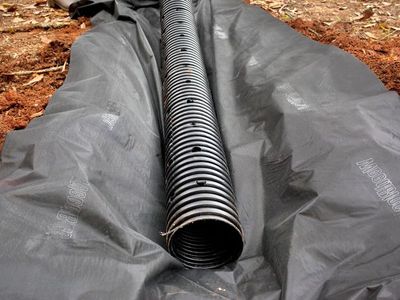
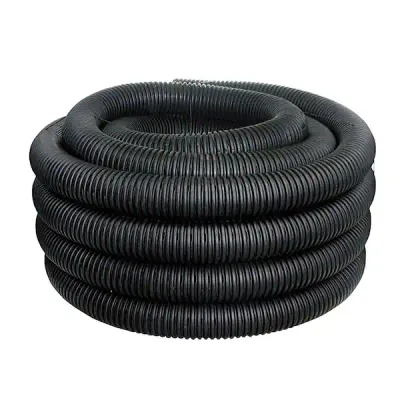
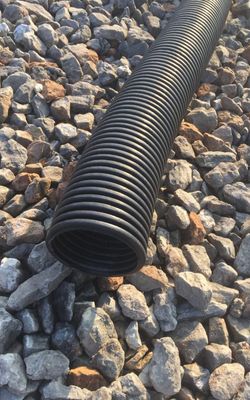
- Solid drain pipe
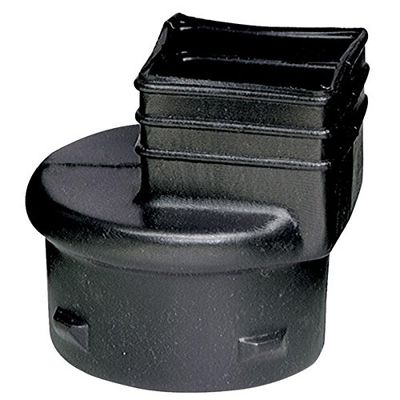
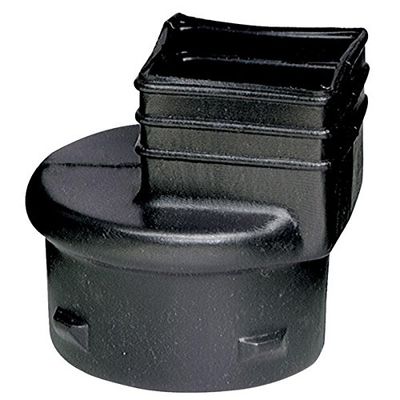
- Downspout adapters
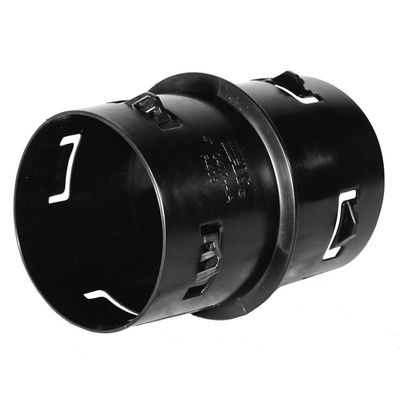
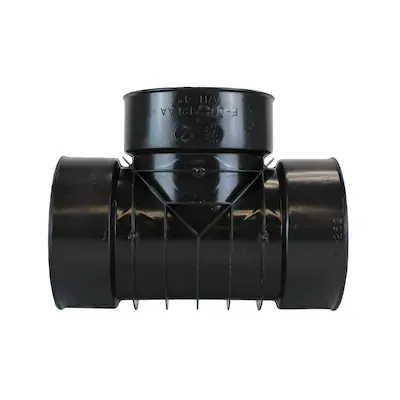
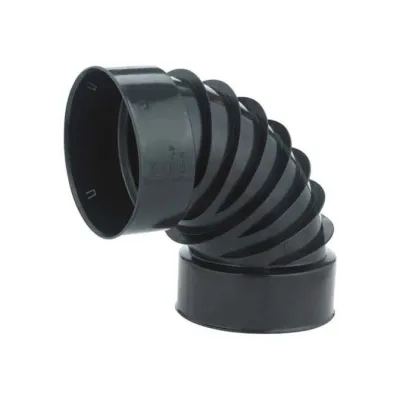
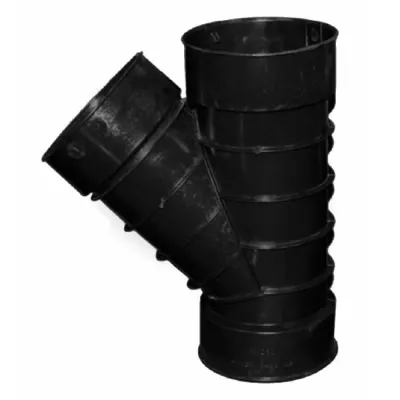
- Drain fittings and connectors
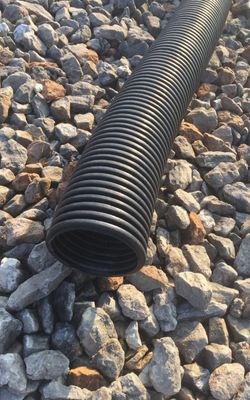
- Drainage gravel if needed for bedding or outlet areas
Finish Materials
- Pop-up emitter or daylight outlet components
- Topsoil for final grading
- Grass seed or sod if needed
- Landscape fabric for gravel outlet areas if desired
Equipment and Tools Recommended
• Mini Excavator
• Trenching shovel or spade
• Wheelbarrow
• Tape measure
• String line or marking paint
• Level
• Utility knife or saw for pipe
• Work gloves
Step-by-Step Installation
1. Identify the Drainage Route
Start at the downspout and decide where the water should discharge. The best route carries runoff away from the home toward a lower area, pop-up emitter, or daylight outlet that can safely handle water flow.
2. Mark the Trench Path
Use marking paint or a string line to map out the trench route from the downspout to the outlet. Keep the path as direct as possible while avoiding obstacles like roots, patios, or other buried utilities.
3. Excavate the Trench
Dig a trench deep enough to bury the pipe while maintaining a consistent slope away from the home. A steady pitch helps ensure water continues moving through the system instead of sitting in the line.
4. Check the Slope
Before laying pipe, confirm that the trench slopes in the correct direction using a level. Even a small but consistent grade can make a major difference in drainage performance.
5. Connect the Downspout Adapter
Attach the proper adapter to the bottom of the downspout so it transitions cleanly into the buried pipe. Make sure the connection is secure and positioned to direct water smoothly into the system.
6. Install the Solid Pipe
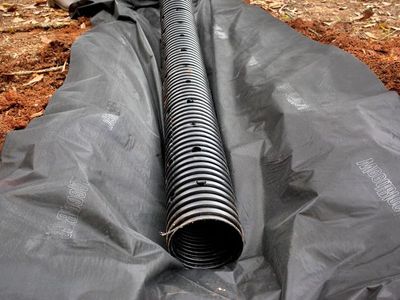
Lay the solid drain pipe in the trench and connect each section carefully. Solid pipe is typically the best choice for downspout drainage because the goal is to move water away, not collect it along the run.
7. Build the Outlet
Install the outlet at the end of the pipe route. This may be a pop-up emitter in the yard or a daylight exit on a slope. Make sure the discharge point can release water without creating erosion or new wet spots.
8. Test the System
Run water through the line before backfilling. Watch the flow from the downspout to the outlet to confirm the system drains properly and all connections are working as intended.
9. Backfill the Trench
Once the system is working correctly, backfill the trench with soil and shape the surface to match the surrounding grade. Smooth the area out so the finished project blends naturally into the yard.
10. Finish and Restore the Area
Add grass seed, sod, or mulch as needed to repair the disturbed area. A clean final finish helps the project look polished while protecting your home from future drainage problems.
Pro Tips for Better Drainage
- Use solid pipe to move water away from the home efficiently.
- Maintain a steady slope from the downspout to the outlet.
- Test the line before backfilling so any adjustments are easy to make.
- Choose an outlet location that will not create erosion or standing water.
- Carry water far enough from the foundation to prevent future issues.
Common Mistakes to Avoid
- Letting downspouts empty too close to the house.
- Installing pipe without enough slope.
- Choosing an outlet location that still causes pooling.
- Skipping the water test before backfilling.
- Ending the pipe where runoff can wash out beds or lawn areas.
Ready to Improve Your Downspout Drainage?
Gibson Grounds Supply has the pipe, fittings, gravel, and drainage materials you need to move water away from your home and protect your property.
Shop Materials View ServicesRecommended Products
Everything you need to complete this project — available at Gibson Grounds Supply.
Powered by Lightspeed
Display prices in:USD